In the dynamic landscape of modern manufacturing, gaining a competitive edge is paramount for businesses aiming to thrive in a rapidly evolving market. Industrial SLA (Stereolithography) printers have emerged as catalysts for transformative change, offering not only advanced production capabilities but also substantial economic benefits that confer a distinct competitive advantage to forward-thinking enterprises.
One of the primary economic benefits of adopting industrial SLA printers lies in their ability to revolutionize the product development cycle. With rapid prototyping capabilities, businesses can accelerate the time-to-market for new products. Industrial SLA printers empower design and engineering teams to quickly iterate and refine prototypes, reducing the lead time traditionally associated with bringing innovative products from concept to commercialization.
In a consumer-driven market where trends shift swiftly, the agility afforded by industrial SLA printing becomes a crucial factor in maintaining a competitive advantage. Businesses can swiftly respond to emerging market demands, introduce variations to existing products, and capitalize on consumer preferences in real-time. This agility minimizes the risk of being left behind in an ever-evolving marketplace.
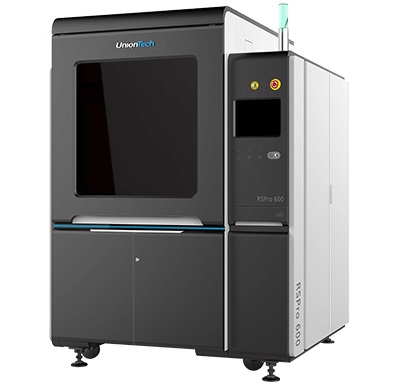
RSPro600 A New Dimension in SLA 3D Printing
By leveraging the customization capabilities of industrial SLA printers, businesses can create niche markets and foster client loyalty. The ability to offer products that precisely align with individual preferences and requirements not only attracts a dedicated customer base but also establishes a brand as an industry leader committed to delivering personalized excellence.
Industrial SLA printing operates on an additive manufacturing principle, minimizing material waste compared to traditional subtractive manufacturing methods. This reduction in material waste translates to cost savings for businesses, contributing to improved operational efficiency. As materials are utilized with precision, costs associated with raw materials decrease, bolstering overall economic viability.
Adopting industrial SLA printers enables businesses to establish leaner supply chains by facilitating localized production. The ability to manufacture products closer to the point of consumption minimizes transportation costs, reduces lead times, and lowers the carbon footprint associated with extensive global supply chains. This leaner and more sustainable approach to production contributes to enhanced economic efficiency.
While the economic benefits of industrial SLA printers are significant, businesses must carefully evaluate the initial investment and total cost of ownership. Calculating the return on investment (ROI) involves considering not only the purchase cost of the equipment but also ongoing maintenance, material expenses, and potential training requirements for the workforce.
As businesses adopt industrial SLA printing for prototyping and manufacturing, they must also address concerns related to intellectual property and design security. Implementing robust cybersecurity measures and safeguarding proprietary designs become critical aspects of utilizing this advanced technology without compromising competitive advantage.
In conclusion, the adoption of industrial SLA printers provides businesses with a powerful arsenal to secure a competitive advantage in today’s fast-paced markets. The economic benefits, ranging from accelerated time-to-market and customization capabilities to streamlined manufacturing processes, position businesses as industry leaders poised for sustained growth. As technology continues to advance and businesses navigate the evolving landscape, the strategic adoption of industrial SLA printing stands as a key driver of competitive success, fostering innovation, efficiency, and a stronger market position.